

News
Read all the news related to the CirCLER project.

- Details
As the CirCLER project moves into its final months, ahead of its conclusion in January 2027, it's a good moment to look back at what has been achieved so far — and what's still to come.
- Details
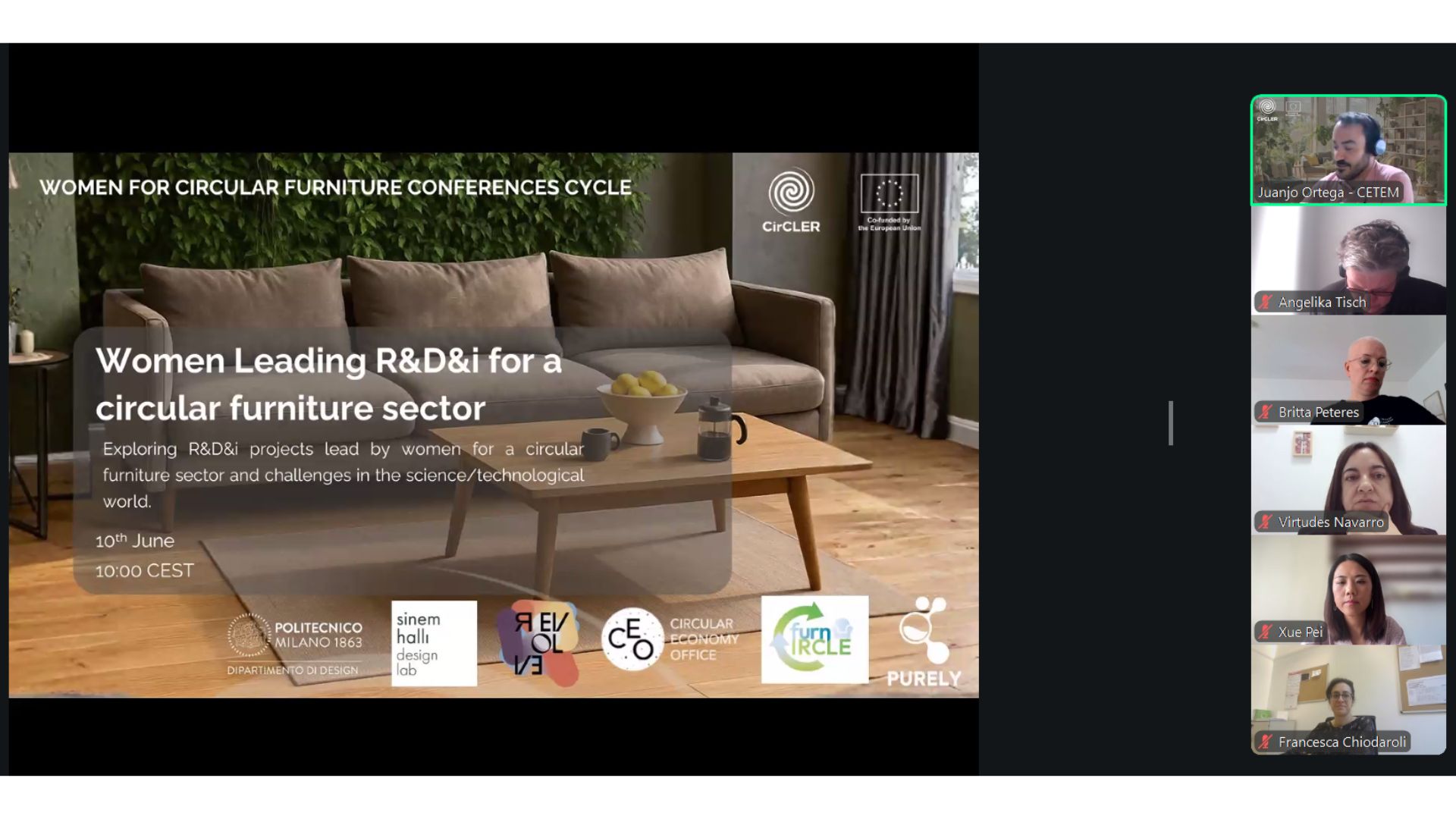
On 10 June 2026, the second session of the Women for Circular Furniture Conferences Cycle took place online, bringing together researchers, innovators, designers, and stakeholders interested in the circular transition of the furniture sector.
Organised within the framework of the CirCLER project, the webinar focused on the contribution of women to research, development, and innovation (R&D&i) in support of a more sustainable and circular furniture industry.
- Details
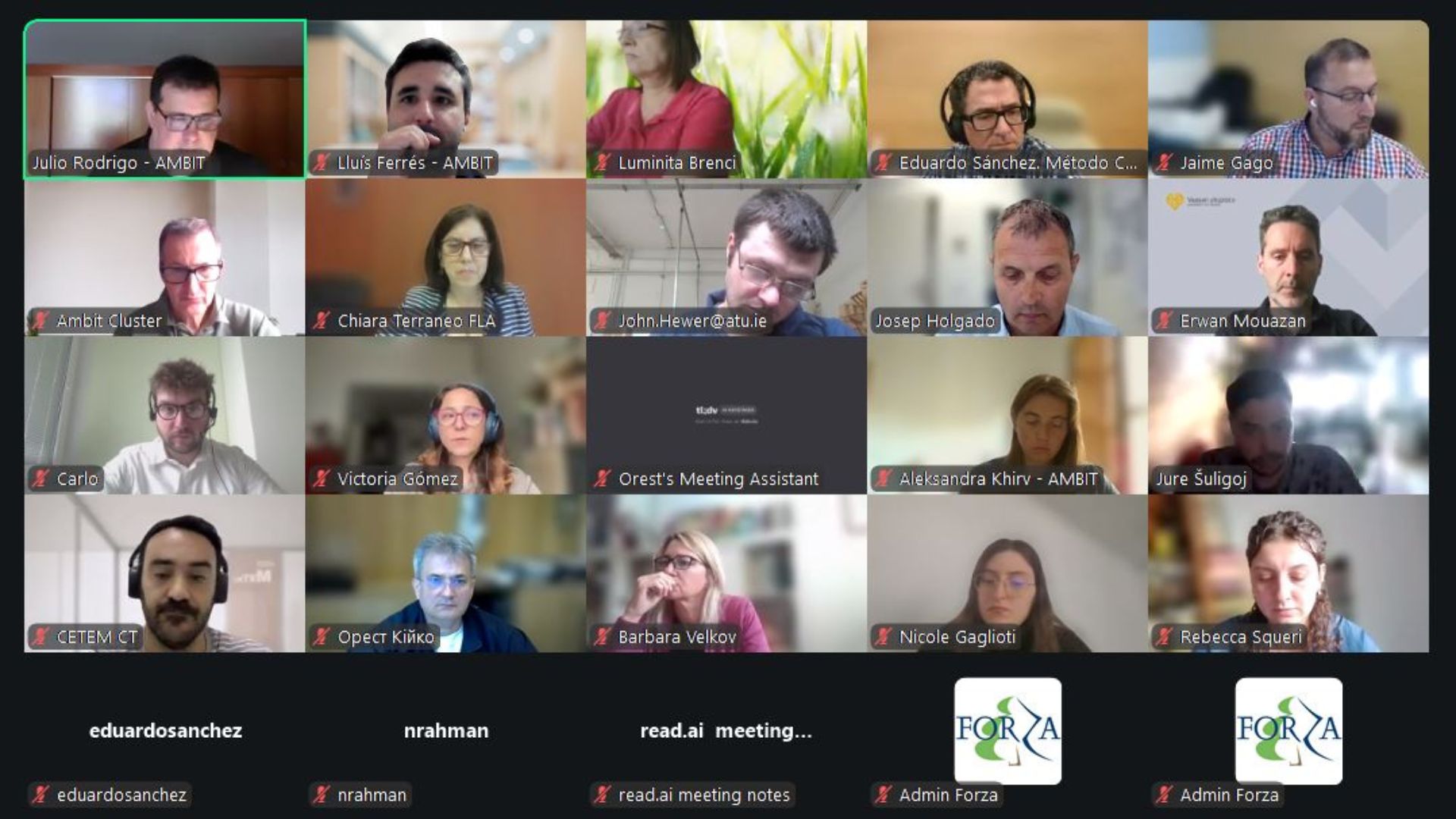
The CirCLER consortium held its 6th partners meeting online, bringing together representatives from all partner organizations to review progress and coordinate the final phase of the project.
The adjustment to the original plan remains on schedule, with current efforts focused on dissemination and exploitation activities, as well as the finalization of the Joint Curriculum, training materials, and the CirCLER platform. The dates for the final transnational meeting and closing conference, to be held in Barcelona on 3–4 November 2026, were also confirmed.
- Details
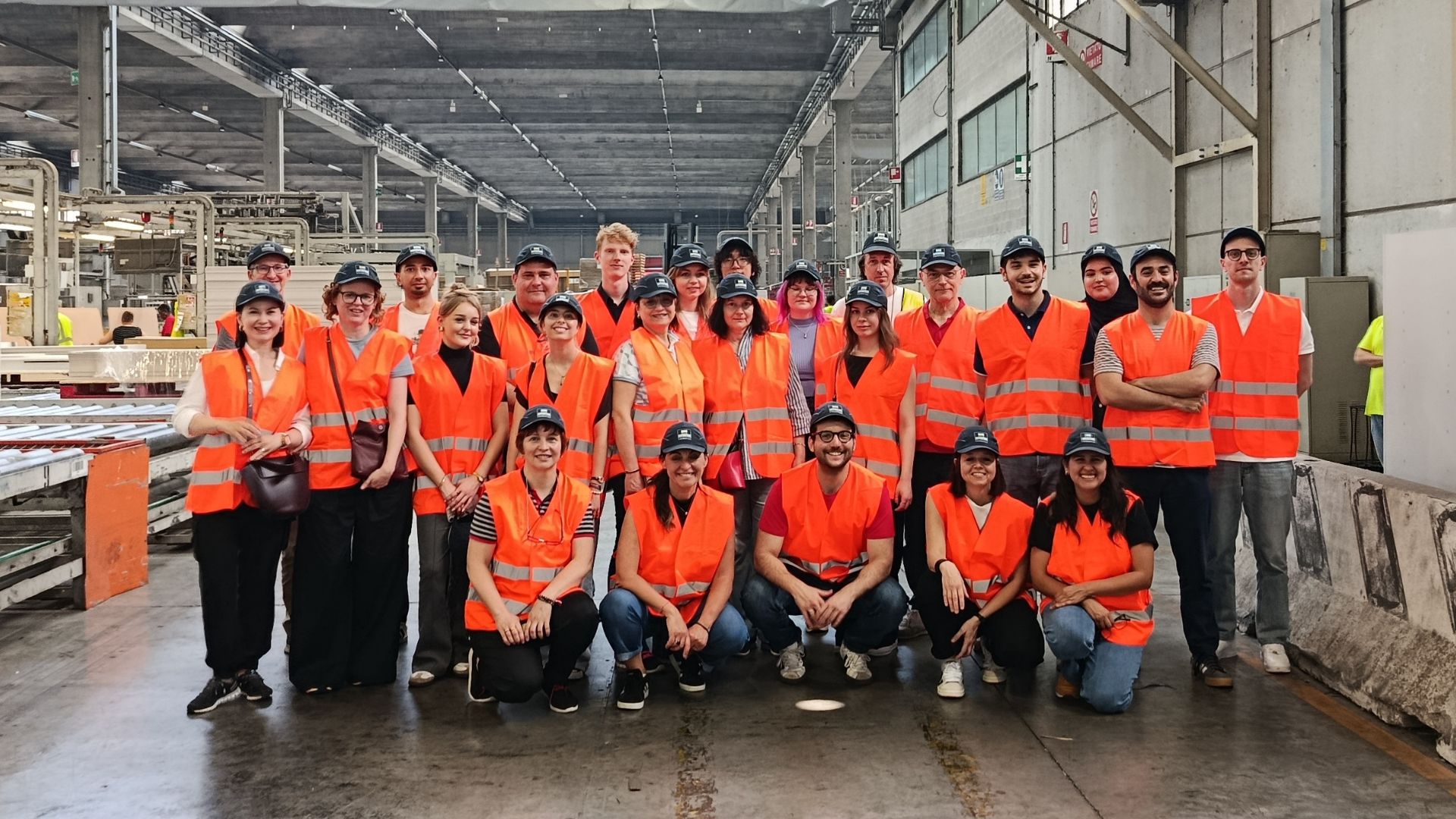
From 27 to 29 May 2026, ASLAM hosted the CirCLER Trainers Mobility in Italy, bringing together trainers, sustainability experts, project managers, cluster representatives, and learners from 12 European partner organisations. The three-day mobility combined workshops, study visits, and collaborative activities aimed at exploring how vocational education and training can support the circular transition of the furniture and woodworking sector.
Organised within the framework of the Erasmus+ project CirCLER, the mobility focused on one of the project’s main objectives: defining the skills and competences of the Circular Economy Transition Manager in alignment with the ESCO framework. Through practical activities and peer exchange, participants discussed emerging sustainability challenges, innovative training approaches, and the future skills needs linked to circular economy principles.
More Articles …
Page 1 of 10
Be the first to know
Newsletter subscription
Co-funded by the European Union. Views and opinions expressed are however those of the author(s) only and do not necessarily reflect those of the European Union or EACEA. Neither the European Union nor the granting authority can be held responsible for them.
Erasmus+ Partnerships for Innovation - Alliances / ERASMUS-EDU-2023-PI-ALL-INNO (Ref. 101140033).
© 2024 CirCLER. All rights reserved | Legal notice | Privacy | Cookie Policy